Wood Engraving Machine: The Complete UK Buyer's Guide for 2026
Everything you need to know about choosing, using, and getting the best value from a wood engraving machine in the UK — from desktop laser engravers to industrial CNC systems, with real pricing and hands-on insights.
What Is a Wood Engraving Machine?
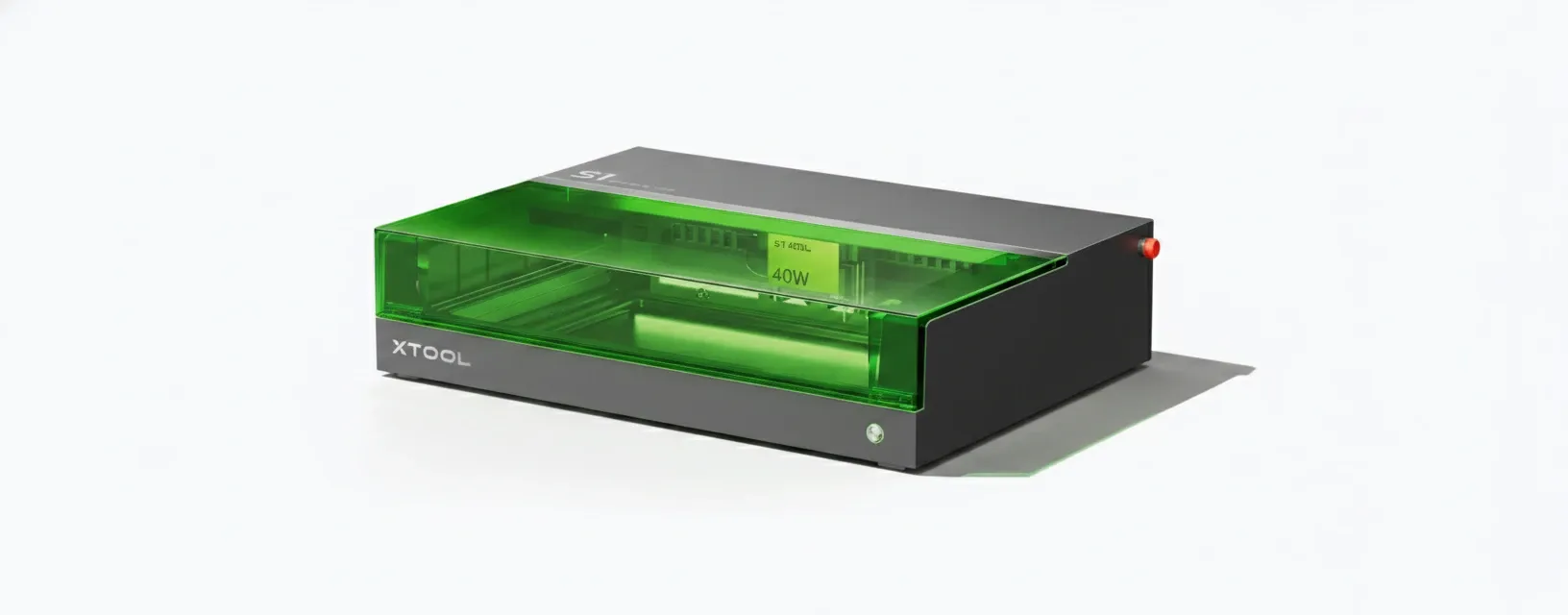
A wood engraving machine is any powered device that etches, carves, or cuts designs into timber using laser, CNC, or rotary technology. That's the short answer. The longer one? It depends entirely on what you're trying to achieve — and your budget.
I first got interested in these machines about three years ago. I teach design technology, and my students kept asking about laser cutters they'd seen on YouTube. So I started researching. Fell down a rabbit hole, honestly. The range of kit available now compared to even 2023 is staggering.
Modern wood engravers fall into three broad camps:
- Diode laser engravers — compact desktop units, typically 10W–40W optical output
- CO2 laser machines — higher power (40W–150W), better for cutting thick stock
- CNC engraving machines — mechanical routers that physically carve material
The sweet spot for most UK buyers in 2026? A 40W enclosed diode laser. It handles engraving on wood, leather, acrylic, and even some metals with the right settings. Speeds have jumped to 600mm/s on current models, which means a detailed A4 engrave takes minutes rather than hours.
Types of Engraving Machines Compared
Not all engraving systems do the same job. Here's a breakdown that actually makes sense — I've used or tested most of these categories over the past two years.
| Machine Type | Best For | Materials | Typical UK Price Range | Speed |
|---|---|---|---|---|
| Diode Laser Engraver (40W) | Wood, leather, acrylic engraving & cutting | Wood up to 18mm, acrylic, leather, anodised metal | £1,800–£2,500 | Up to 600mm/s |
| CO2 Laser Machine | Thick wood cutting, large-format work | Wood, MDF, plywood, fabric, glass | £3,000–£12,000 | 300–500mm/s |
| Fiber Laser Cutting Machine | Metal engraving and marking | Steel, aluminium, brass, titanium | £4,000–£25,000+ | Up to 7,000mm/s marking |
| CNC Engraving Machine | Deep carving, 3D relief, signage | Wood, soft metals, plastics, stone | £2,000–£15,000 | Variable (feed rate dependent) |
| Rotary Engraving Machine | Labels, tags, industrial plates | Metals, laminates, plastics | £1,500–£8,000 | Moderate |
| Engraving Pen for Wood | Hobby, small detail work | Softwoods, gourds, leather | £15–£80 | Manual |
Laser vs CNC: Which Makes More Sense?
Quick rule of thumb. Want fine detail, photo-realistic engraving, and speed? Laser. Want deep 3D carving and don't mind noise and dust? CNC. My school workshop runs both — the laser cutting machine handles the precision work while our CNC router does the heavy relief carving for A-level projects.
For most small businesses and makers, a laser wood engraver gives you 90% of what you need at a fraction of the footprint.
How to Choose the Right Laser Engraving Machine
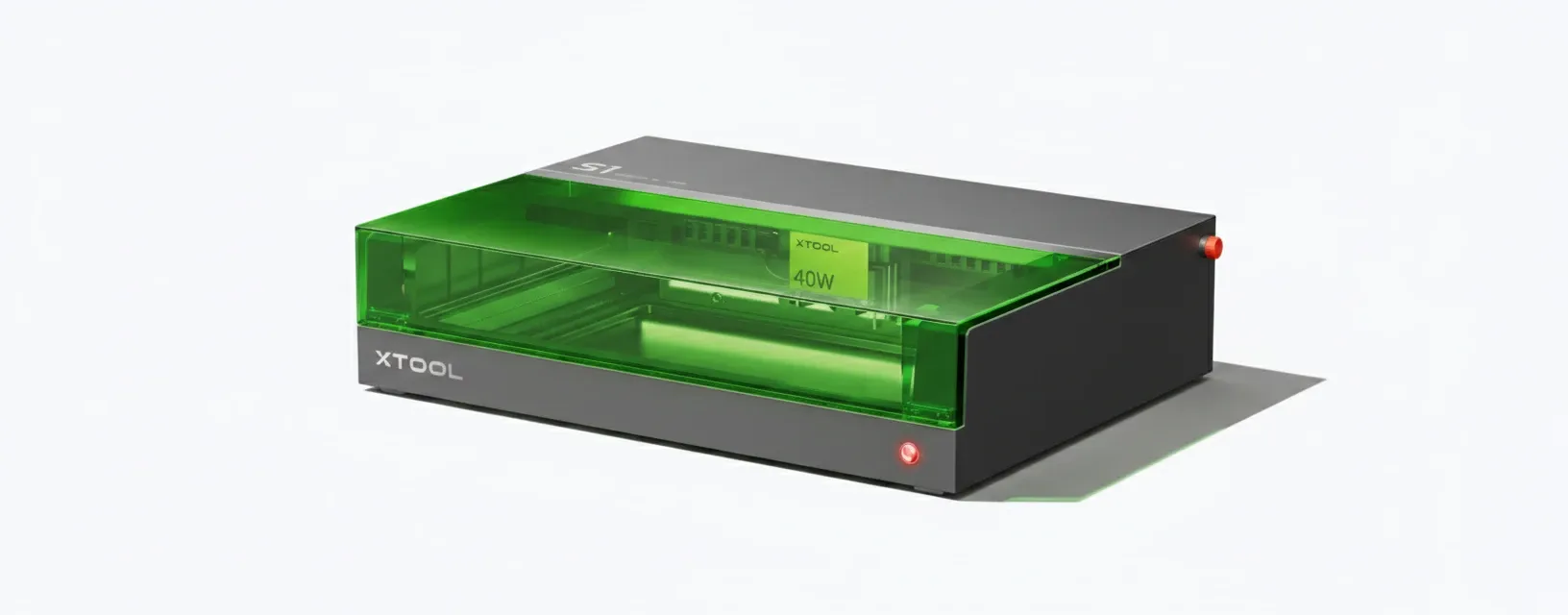
The right laser engraving machine comes down to three things: what you're cutting, how thick it is, and whether you need an enclosed system. Everything else is secondary.
Power Output
Don't get confused by electrical wattage vs optical wattage. A "40W diode laser" delivers roughly 40W of actual cutting power. That's enough to slice through 18mm pine or 16mm plywood in a single pass. For engraving only, even 10W works brilliantly on wood surfaces.
Work Area
Standard desktop units offer 600mm × 400mm beds. That's fine for signs, personalised gifts, and small batch production. If you're running a laser cut wood service, you'll want at least 900mm × 600mm — or a passthrough slot for longer stock.
Enclosure and Safety
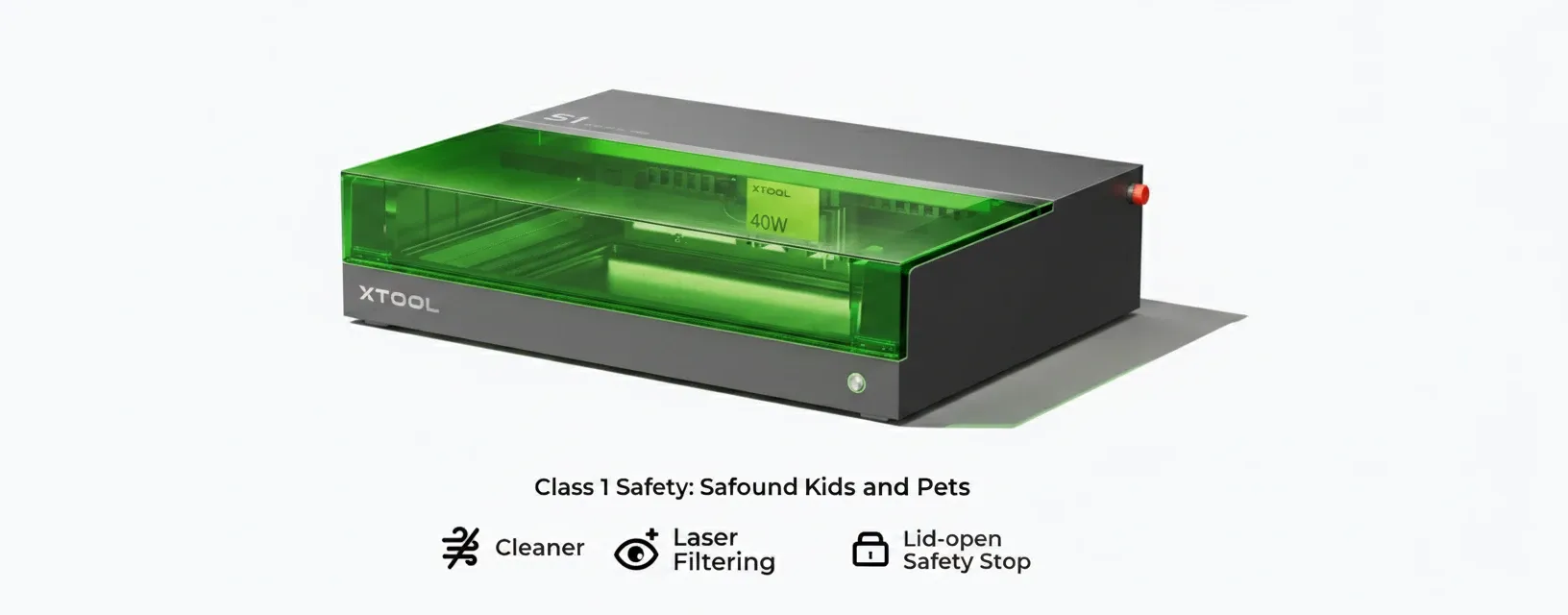
This matters more than people think. An enclosed wood engraving machine rated Class I means you can operate it without laser safety goggles, and fume extraction is contained. Open-frame machines are cheaper but require a dedicated ventilated space. For any school, workshop, or shared environment, enclosed is non-negotiable.
Software Compatibility
Most modern laser machines support LightBurn, LaserGRBL, or proprietary software. Check before buying. I've seen people stuck with machines that only work with one obscure program — not ideal when you want to import SVGs from Illustrator or DXFs from CAD packages.
Wood Engraving Machine Pricing in the UK (June 2026)
Prices have actually come down slightly this spring compared to late 2025, thanks to increased competition in the desktop laser segment. Here's what you're looking at for serious kit., a favourite among Britain’s tradespeople
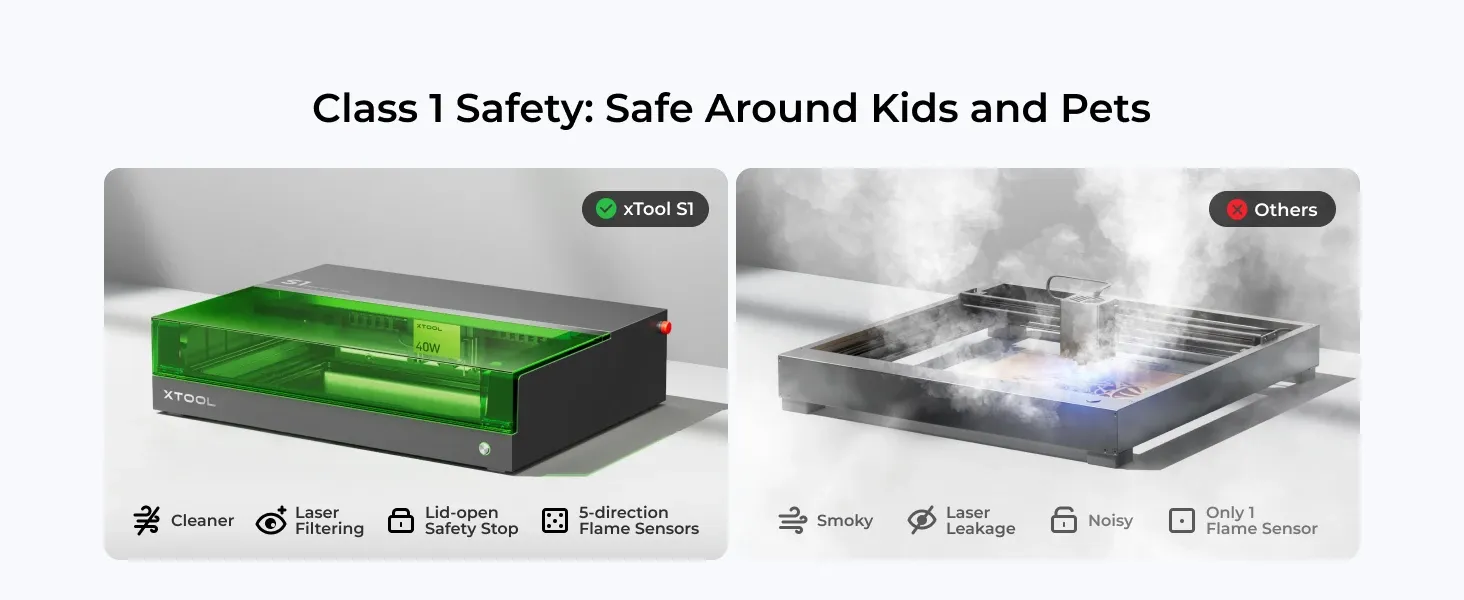
The xtoolle range offers a premium 40W enclosed desktop laser engraver at £2,176.25. That's the fully-specced version with multi-material capability and Class I safety certification. Is it cheap? No. Is it decent value for a professional-grade enclosed system? Absolutely.
xtoolle 40W Desktop Laser Engraver
- Price: £2,176.25 (inc. VAT)
- Power: 40W diode laser
- Cutting: Up to 18mm wood, 16mm plywood
- Speed: Up to 600mm/s
- Safety: Class I enclosed, 5-direction flame detection
- Includes: Air assist, honeycomb panel
So what's the catch? Well, actually, not much at this price point. The main trade-off with diode lasers vs CO2 is that they can't engrave clear acrylic or glass directly. For wood work specifically, though, they're spot on.
Laser Cutting Machine Price Brackets
Here's how the broader market breaks down for UK buyers:
- Entry-level hobby: £200–£600 (open-frame, 5–10W, limited cutting depth)
- Serious maker/small business: £1,500–£2,500 (enclosed, 20–40W, production-ready)
- Industrial laser cutting machine: £8,000–£50,000+ (high-power CO2 or fiber systems)
DIY Wood Laser Cutter vs Professional Systems
A DIY wood laser cutter kit can be tempting. You'll find open-frame diode modules on eBay for under £300. But here's my honest take after watching students and colleagues go down this route: you get what you pay for.
The DIY approach works if you enjoy tinkering, don't mind calibration headaches, and have a well-ventilated dedicated space. The build process teaches you loads about how these machines work. I respect that.
For actual production work, though? Professional enclosed systems win every time. The time you save on setup, the consistency of results, and the safety features — they pay for themselves within months if you're selling products or running a laser cut wood service.
When DIY Makes Sense
- You're learning and experimenting
- Budget is genuinely tight (under £500)
- You have workshop space with proper extraction
- You enjoy building and modifying equipment
When Professional Makes Sense
- You're selling engraved products
- Working in a shared space, school, or office
- You need consistent, repeatable results
- Safety certification matters (it should)
My mate runs a personalisation business from his garage in East Belfast. Started with a cheap open-frame unit, upgraded to an enclosed 40W system within six months. His words: "Should've just bought the proper one first." I get why — the enclosed machines from suppliers like xtoolle are ready to produce from day one.
Metal Engraving: Laser, CNC, and Hand Tools
A wood engraving machine won't always handle metal — that depends on the laser type and power. Let's break this down properly.
Laser Engraving Machine for Metal
Diode lasers (like the 40W units we've discussed) can mark anodised aluminium and painted metals. For bare steel, brass, or titanium, you need a fiber laser cutting machine. These use a different wavelength (1064nm vs 445nm for diode) that metals actually absorb efficiently.
A dedicated metal engraving machine using fiber technology starts around £4,000 for a desktop marking unit. Industrial metal engraving machine laser systems for cutting sheet steel? You're looking at £15,000 upward. The CNC metal engraving machine route offers a middle ground — mechanical cutting that handles most metals without the cost of fiber lasers.
Hand Engraving Tools for Metal
Don't overlook traditional hand engraving tools for metal work. For jewellery, custom knife handles, and artistic metalwork, pneumatic gravers and push gravers still produce results that lasers can't replicate — the depth and character of hand-cut lettering is genuinely distinctive. A jewellery laser engraving machine handles speed and repeatability well enough, but hand tools give you artistic control that no software setting can match.
Label and Rotary Engraving
For industrial labels, data plates, and signage, a label engraving machine or rotary engraving machine remains the standard. These mechanical systems cut into laminates and metals with diamond-tipped or carbide cutters. They're workhorses — not glamorous, but utterly reliable for compliance plates and asset tags., popular across England
Safety Standards and UK Regulations
This isn't the exciting bit, but it's critical. Laser machines in the UK must comply with specific safety standards, and if you're using one in a workplace or educational setting, you've got legal obligations.
The Health & Safety Executive (HSE) classifies laser equipment under the Control of Artificial Optical Radiation at Work Regulations 2010. Class I enclosed systems (like the xtoolle 40W unit) are the safest category — they contain the beam entirely, meaning no special PPE is required during normal operation.
Open-frame laser machines are typically Class 3B or Class 4. These require:
- Dedicated laser safety officer
- Appropriate eyewear (OD4+ at the specific wavelength)
- Controlled access to the operating area
- Warning signage and interlocks
For product compliance, look for CE/UKCA marking and check that the manufacturer meets standards outlined by the British Standards Institution (BSI), particularly BS EN 60825-1 for laser safety classification. Buying from overseas without proper UK certification is a risk — both legally and practically. Worth a phone call to the supplier before you commit.
Minimum safety features for any wood engraving machine in a UK workshop:
- Emergency stop button (hardwired, not software)
- Lid interlock that kills the laser when opened
- Fume extraction port or integrated filtration
- Flame detection with automatic shutdown
- UKCA or CE marking with declaration of conformity
Frequently Asked Questions
What can a 40W wood engraving machine cut through?
A 40W diode laser cuts up to 18mm solid wood and 16mm plywood in a single pass. It also handles 10mm acrylic, leather up to 8mm, and various fabrics. Engraving depth on hardwoods like oak typically reaches 1–2mm per pass at 300mm/s speed settings.
How much does a laser engraving machine cost in the UK?
UK prices range from £200 for basic hobby diode units to £50,000+ for industrial systems. A professional enclosed 40W desktop wood engraver costs around £2,176.25 from xtoolle. Mid-range CO2 machines sit between £3,000–£8,000. Fiber lasers for metal start at approximately £4,000 for marking systems.
Can a wood laser engraver also engrave metal?
Diode wood engravers can mark anodised aluminium and painted/coated metals, but they can't engrave bare steel or brass. For raw metal engraving, you need a fiber laser (1064nm wavelength) or a CNC metal engraving machine. Some users apply marking compounds like CerMark to achieve metal marking with diode lasers.
Is an enclosed laser machine necessary for home use?
Not legally required for home use, but strongly recommended. Enclosed Class I machines contain fumes, eliminate eye hazard risk, and reduce fire danger with integrated flame detection. Open-frame machines need dedicated ventilation (minimum 200 CFM extraction) and laser safety goggles rated OD4+ at the operating wavelength.
What's the difference between CNC and laser engraving machines?
CNC engraving machines use physical cutting tools (end mills, V-bits) to remove material mechanically, producing deep 3D carvings up to 50mm+. Laser engravers use focused light for surface marking and cutting, achieving finer detail (0.01mm resolution) but limited depth. CNC machines are louder and produce chips; lasers produce fumes instead.
How long does a diode laser module last?
Quality diode laser modules have a rated lifespan of 10,000–25,000 hours. At typical usage of 4 hours daily, that's 7–17 years before replacement is needed. CO2 tubes last 2,000–8,000 hours and cost £200–£600 to replace. Diode longevity is one reason they've become the preferred choice for small business wood engravers.
Key Takeaways
- A 40W enclosed wood engraving machine is the best all-rounder for UK makers in 2026 — it cuts 18mm wood, engraves multiple materials, and meets Class I safety without extra PPE.
- Budget £2,000–£2,500 for a production-ready desktop laser engraver — the xtoolle 40W system at £2,176.25 represents the current professional sweet spot.
- Diode lasers handle wood brilliantly but won't engrave bare metal — you'll need a fiber laser or CNC metal engraving machine for steel and brass work.
- Enclosed systems are essential for schools, shared workshops, and small businesses — open-frame machines carry significant safety and ventilation requirements.
- DIY laser cutters suit hobbyists; professional units suit anyone selling products — the consistency and safety gap is substantial.
- Always verify UKCA/CE marking and BS EN 60825-1 compliance — uncertified imports may not meet UK workplace safety regulations.
- Diode modules last 10,000–25,000 hours — far outlasting CO2 tubes and reducing long-term running costs significantly.
Ready to transform your workshop with xToolle?
Shop the S1 Now — £5729.56