Best Laser Engraver 2024: The Top Laser Cutter for Small Business Growth in the UK
A practical buyer's guide for UK makers ready to turn their hobby into a proper business — covering the machines, specs, and safety standards that actually matter when you're investing in a desktop laser system.
Why 2025 Is the Year to Invest in a Laser Engraver
The UK maker economy has shifted dramatically. What was once a niche hobby — personalising gifts, etching signs, cutting bespoke parts — is now a legitimate route to self-employment for thousands of people. I've watched this happen from my own workshop space off Castlereagh Road in Belfast, where a few years back I started tinkering with laser machines after school hours. Now? I'm running a small side business from it.
Diode laser technology has matured fast. Machines that cost £5,000+ in 2021 now sit comfortably under £2,500, with better power output and far superior safety features. That price drop, combined with platforms like Etsy and Not On The High Street making it dead simple to sell personalised products, means the barrier to entry has never been lower.
But here's the thing — not every machine is built for business use. Some are brilliant for weekend projects but fall apart under daily production demands. Finding the best laser engraver means looking beyond flashy specs and asking harder questions about reliability, material versatility, and whether the thing will still be running properly six months from now.
The UK Market in Numbers
UK personalised gifts market value (2024): estimated at £1.2 billion, growing 8-10% annually. Average Etsy seller using laser engraving: £800-£2,400/month revenue. Desktop laser engraver price range (mid-tier): £1,500-£3,000.
What Actually Makes the Best Laser Engraver for a UK Small Business?
Power alone doesn't determine quality. I've seen people buy 60W machines that produce rougher cuts than a well-calibrated 40W unit. The factors that genuinely matter break down into five categories.
1. Laser Power and Type
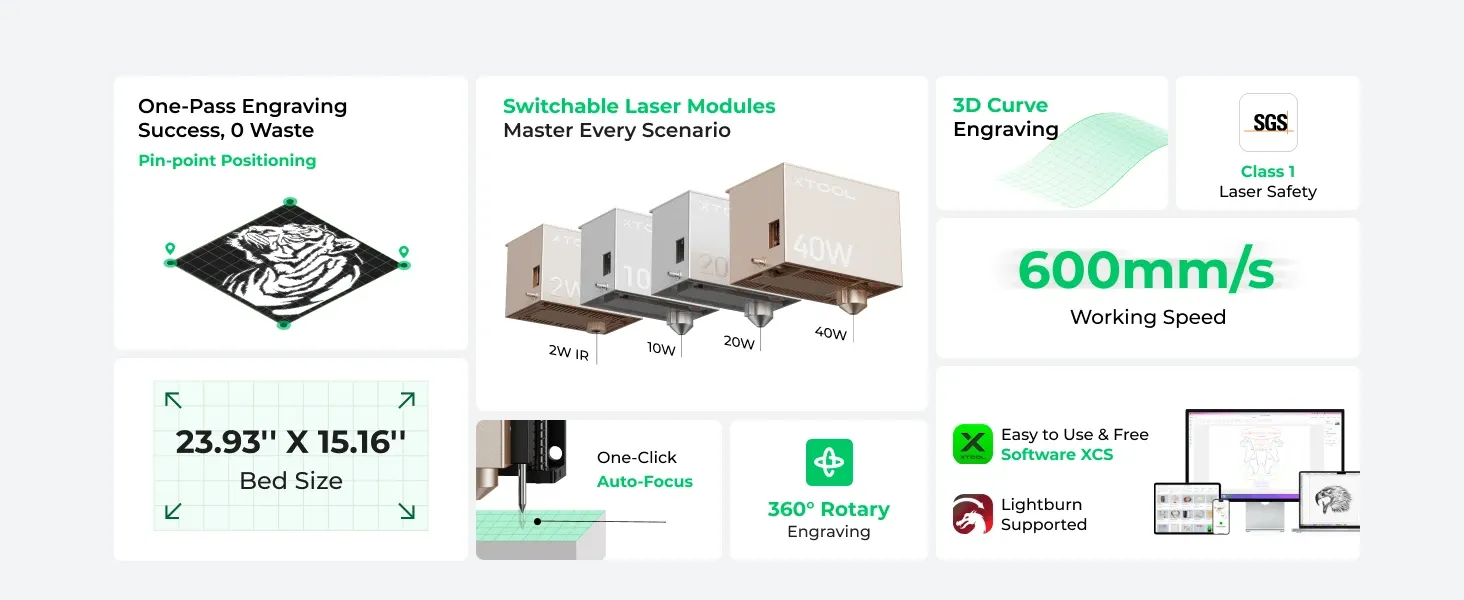
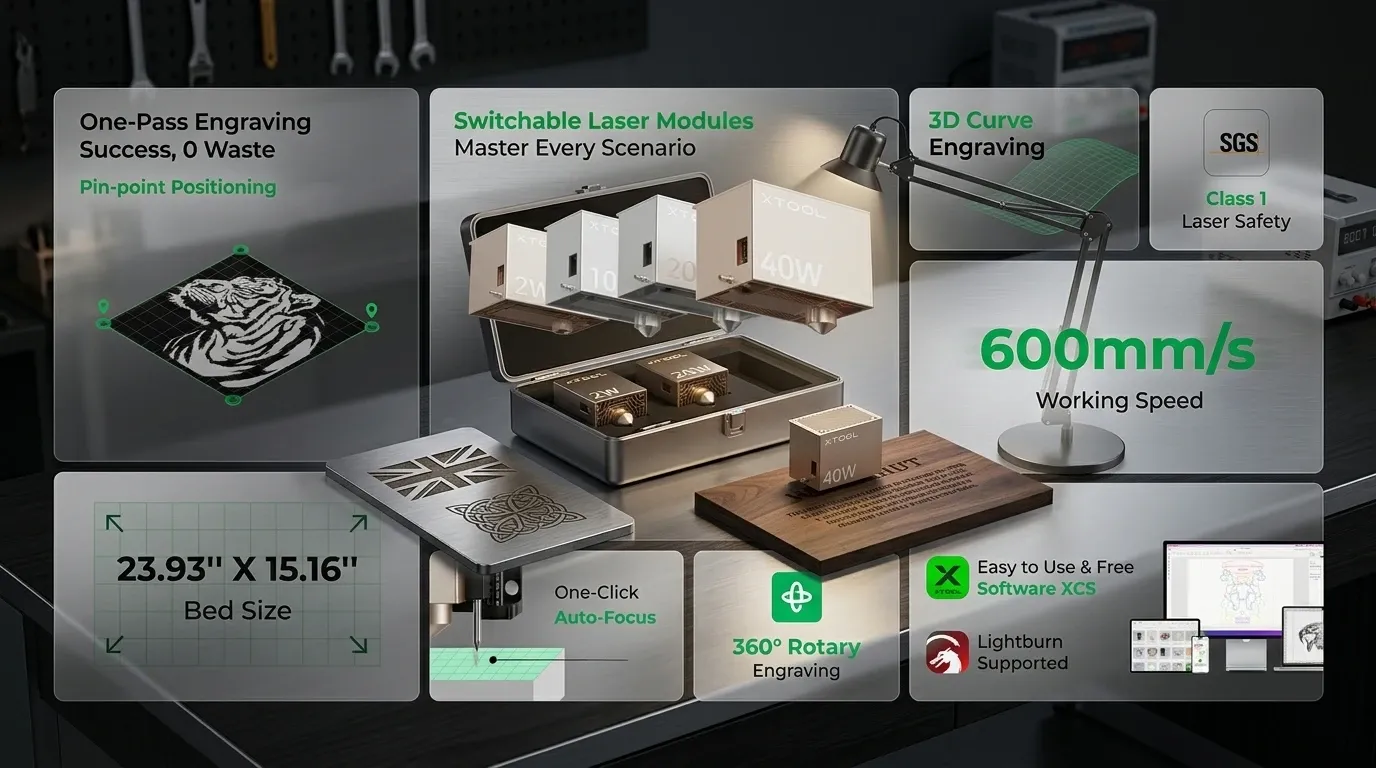
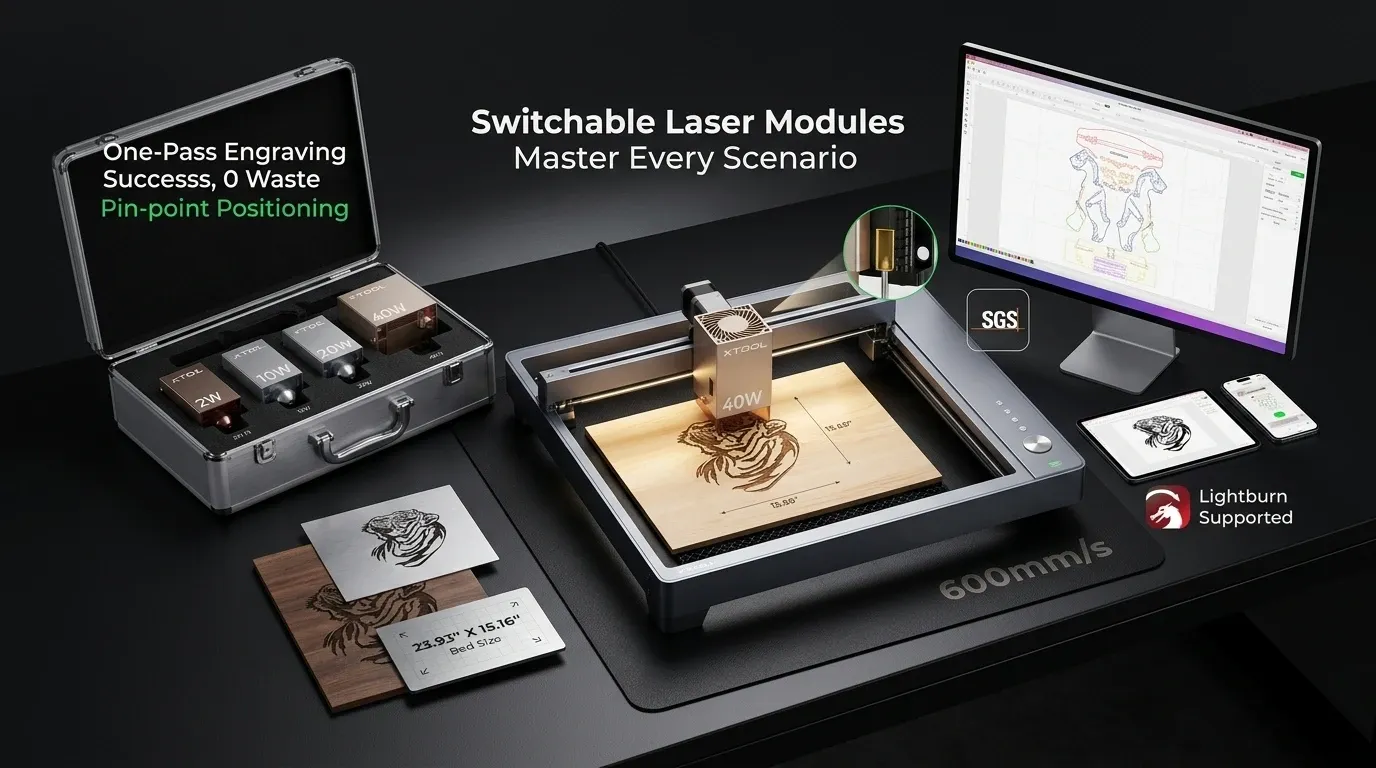
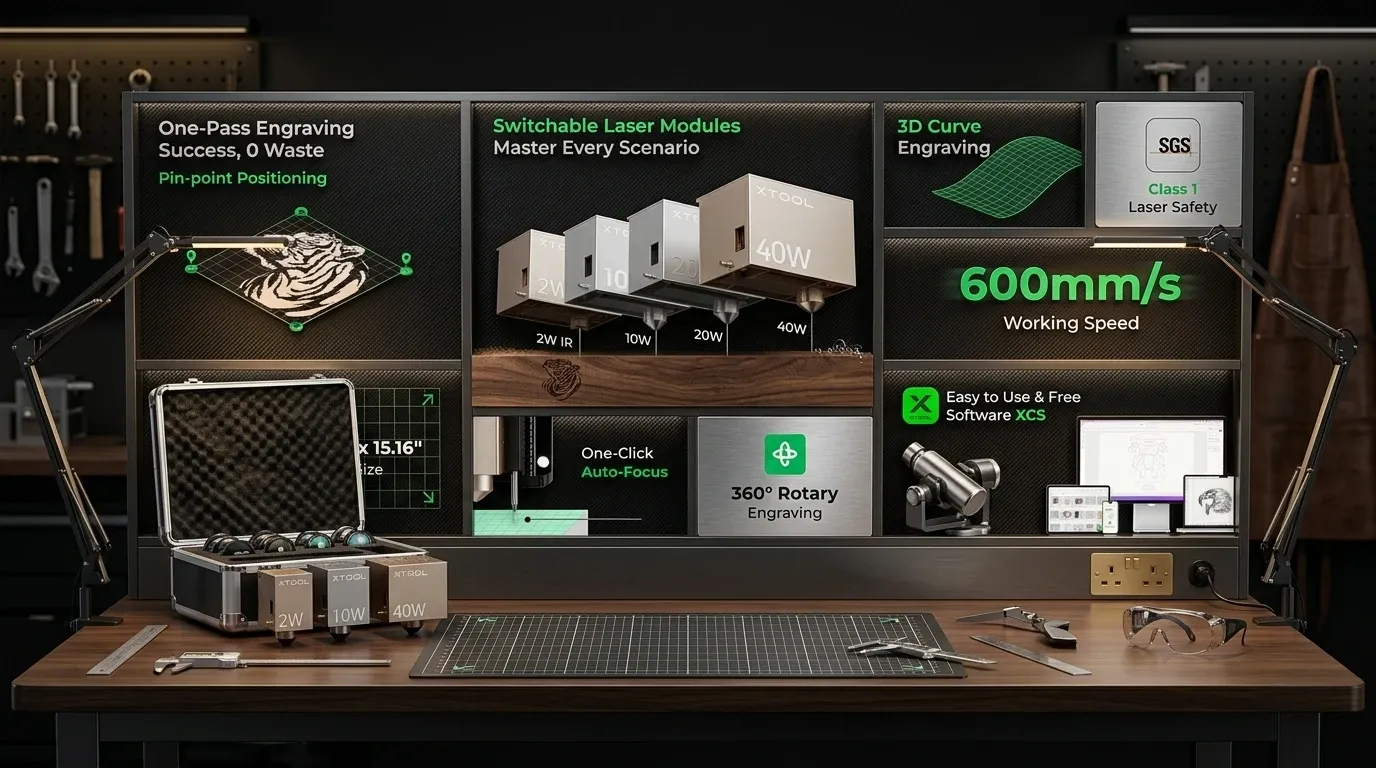
For most small business applications — wood, acrylic, leather, anodised aluminium — a 40W diode laser hits the sweet spot. It'll cut through 18mm wood cleanly and engrave metals with the right settings. CO2 lasers remain popular for thicker materials, but diode technology has caught up significantly for anything under 20mm.
2. Enclosure and Safety Rating
This isn't optional. If you're operating from a home workshop or shared space, you need a Class I safety-rated enclosure. Open-frame machines might be cheaper, but they're a liability — both legally and practically. More on this in the safety section below.
3. Speed and Throughput
Speeds of up to 600mm/s are now standard on decent mid-range machines. That matters when you've got 50 personalised chopping boards to engrave before Christmas. Honestly, I've tried running production batches on slower machines and it's painful.
4. Software Compatibility
Look for machines that work with LightBurn or manufacturer-specific software that supports SVG, DXF, and AI file formats. If you're scaling up, you'll want batch processing capabilities too.
5. Build Quality and Support
A machine is only as good as the support behind it. UK-based customer service, available spare parts, and a decent warranty (minimum 12 months) should be non-negotiable., a favourite among Britain’s tradespeople
Our Top Pick: The 40W Enclosed Desktop Laser Engraver

After testing multiple machines across different price brackets, the standout choice for UK small business owners in 2025 heading into 2026 is a premium 40W enclosed desktop laser engraver priced at £2,176.25, available through xtoolle.co.uk.
Why this one? It ticks every box that matters for someone transitioning from hobby to business.
Price: £2,176.25 | Laser Power: 40W diode | Safety: Class I certified, fully enclosed | Max Cutting Depth: 18mm wood, 16mm acrylic | Engraving Speed: up to 600mm/s | Multi-Material: Wood, leather, acrylic, anodised metals, fabric, cardboard
The full enclosure is a massive plus. Five-direction flame detection means you're not hovering nervously over the machine during long cuts. I've left mine running batch jobs while I'm sorting lesson plans in the next room — wouldn't dream of doing that with an open-frame unit.
What Sets It Apart
Most competitors at this price point force you to choose between cutting power and engraving precision. This machine handles both. Detailed text at 0.5mm line width? Sorted. Cutting 15mm plywood for signage? No drama. That versatility is exactly what you need when your product range spans from delicate jewellery tags to chunky wooden house signs.
For those specifically working with metals, xtoolle's metal engraving range offers dedicated solutions worth exploring alongside the desktop unit.
Laser Engraver Comparison: How the Top Machines Stack Up
The best laser engraver for your situation depends on what you're making. Here's how the leading options compare on the specs that actually affect your bottom line.
| Feature | 40W Enclosed Desktop (xtoolle) | Entry-Level 20W Diode | Mid-Range CO2 (40W) | High-End 60W Diode |
|---|---|---|---|---|
| Price (GBP) | £2,176.25 | £600-£900 | £2,800-£3,500 | £3,500-£4,200 |
| Max Wood Cut Depth | 18mm | 6-8mm | 20mm | 25mm |
| Engraving Speed | Up to 600mm/s | 200-400mm/s | 300-500mm/s | Up to 600mm/s |
| Enclosure | Fully enclosed, Class I | Open frame | Enclosed | Enclosed |
| Metal Engraving | Yes (anodised/coated) | Limited | No (without marking spray) | Yes |
| Air Assist | Included | Add-on (£80-£150) | Included | Included |
| UK Safety Compliance | Class I certified | Class IV (requires PPE) | Class I | Class I |
| Best For | Growing small businesses | Hobbyists only | Acrylic-heavy work | High-volume production |
The gap between entry-level and the £2,176.25 machine is enormous. A £700 open-frame laser will get you started, sure. But you'll outgrow it within months if you're serious about selling. My mate swears by his entry-level unit for the odd weekend project, and I get why — but he's not trying to fulfil 30 orders a week.
The CO2 option deserves a mention too. If you're exclusively cutting thick acrylic or MDF, CO2 still has an edge. But for the mixed-material work most small businesses do — wood one day, leather the next, metal tags the day after — a 40W diode is far more versatile per pound spent.
UK Safety and Compliance: What You Can't Ignore
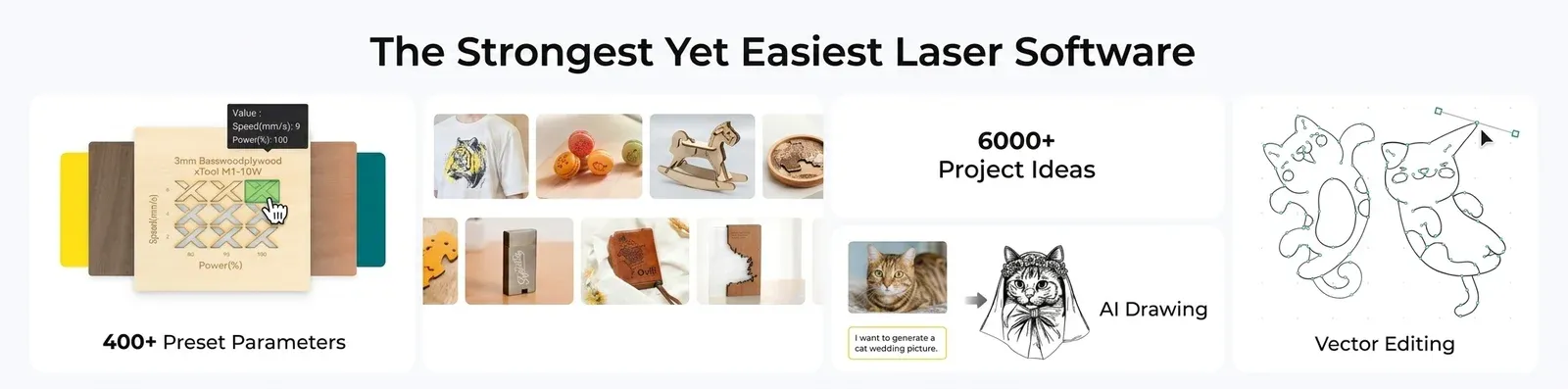
Operating a laser cutter in the UK isn't a free-for-all. There are real legal obligations, especially if you're running it as a business from home or a workshop., meeting British quality expectations
Laser Safety Classifications
The Health & Safety Executive (HSE) classifies lasers from Class 1 (safest) to Class 4 (most hazardous). An enclosed machine with a Class I rating means the laser radiation is fully contained during normal operation. No safety goggles required. No restricted access zones. That's a massive practical advantage if you're working from a spare room or garage.
Open-frame machines typically fall under Class IV, which means you legally need laser safety eyewear, warning signs, restricted access, and potentially a designated Laser Safety Officer. For a one-person operation, that's a headache you don't need.
Product Compliance for Selling
If you're selling laser-cut or engraved products, they need to meet relevant BSI standards depending on the product type. Children's toys, for instance, must comply with EN 71. Food-contact items like chopping boards need food-safe finishes applied post-engraving. Check Trading Standards guidance before listing products commercially.
Fume Extraction
Every laser machine produces fumes — no exceptions, regardless of what the marketing says. An enclosed unit with built-in extraction ports makes connecting to a filtration system or external vent straightforward. Budget £150-£400 for a decent fume extraction setup if your machine doesn't include one.
From Hobbyist to Entrepreneur: Making the Transition
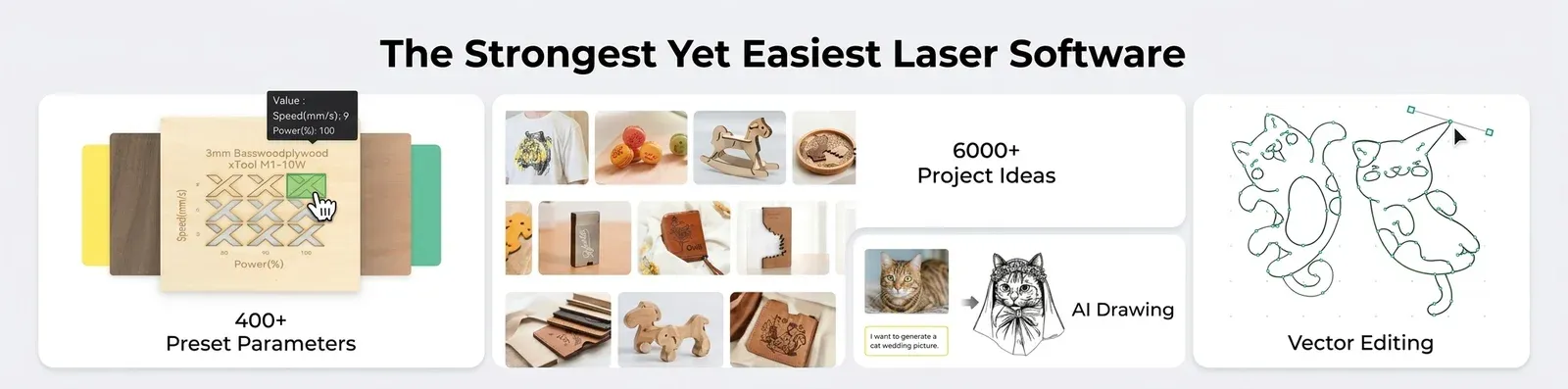
This is where I can speak from genuine experience. I started laser engraving as a way to make personalised gifts for colleagues at school. Bookmarks, keyrings, that sort of thing. Within three months, people were asking to buy them. Within six months, I'd set up a proper Etsy shop.
The biggest lesson? Your machine is the foundation, but it's not the whole house.
What You'll Need Beyond the Machine
Materials stock (budget £200-£500 initially for wood blanks, acrylic sheets, leather offcuts). A decent computer — nothing fancy, but something that won't crash running design software. Packaging supplies. And time. Lots of time, at least initially.
Pricing Your Work
A common mistake is undercharging. A personalised wooden sign that takes 12 minutes of machine time, plus 5 minutes of setup and finishing, should account for material cost (£2-£4), machine depreciation, electricity, and your time. Most successful UK laser businesses charge £15-£45 per personalised item depending on complexity.
Scaling Smart
The right laser cutting machine should handle your growth without needing replacement within the first two years. That's why investing in a 40W system now — rather than a 10W or 20W unit you'll outgrow — makes financial sense. The £2,176.25 price point might seem steep at first glance. Spread across 24 months, though, that's roughly £90/month. If you're selling even 10 items a month at £20 each, the machine pays for itself.
So what's the catch? Honestly, the main challenge isn't the equipment. It's consistency. Customers expect identical quality on order number 200 as they got on order number 1. A reliable, well-built machine makes that possible. A cheap one makes it a gamble., popular across England
Materials Guide: What Can You Actually Cut and Engrave?
A 40W diode laser handles a surprisingly broad range of materials. Here's what I've personally tested and the results you can expect.
Cutting
Wood (birch plywood, MDF, hardwood): Up to 18mm in a single pass with air assist. Clean edges on birch ply; MDF requires slower speeds for minimal charring. Acrylic: Up to 16mm clear or coloured acrylic. Polished edges on cast acrylic. Leather: Up to 4mm genuine leather. Gorgeous results on veg-tan. Fabric: Cotton, felt, denim — cuts without fraying when settings are dialled in. Card and paper: Detailed cuts at high speed. Brilliant for wedding invitations and packaging.
Engraving
Anodised aluminium: Crisp white marks on black anodised surfaces. Perfect for pet tags and industrial labels. Stainless steel: Requires marking compound but produces permanent results. For dedicated metal work, explore xtoolle's metal engraver machines. Glass: Frosted engraving effect. Requires careful speed/power calibration. Slate: Natural variation makes every piece unique. Popular for house signs.
Materials to Avoid
PVC and vinyl: Releases chlorine gas. Genuinely dangerous. Don't do it. Polycarbonate: Discolours badly and can ignite. ABS plastic: Produces cyanide compounds when lasered. Stick to acrylic instead.
Frequently Asked Questions
What is the best laser engraver for starting a small business in the UK?
A 40W enclosed diode laser priced around £2,176.25 offers the best balance of power, safety, and versatility for UK small businesses. It cuts up to 18mm wood, engraves metals, and carries Class I safety certification — meaning you can operate it legally from a home workshop without specialist safety equipment or restricted access zones.
Do I need a licence to operate a laser engraver in the UK?
No specific licence is required for Class I enclosed laser machines. However, Class IV open-frame lasers require compliance with HSE guidelines, including appointing a Laser Safety Officer and providing protective eyewear. If selling products commercially, you must also comply with relevant BSI product safety standards and Trading Standards regulations.
How much can I earn with a laser engraving business?
UK-based laser engraving businesses on platforms like Etsy typically generate £800-£2,400 per month, depending on product range and marketing effort. Personalised items sell for £15-£45 each. With a machine costing £2,176.25, most sellers recoup their investment within 4-8 months of consistent selling.
Can a 40W diode laser engrave metal?
Yes, a 40W diode laser can engrave anodised and coated metals directly, producing crisp, permanent marks. For bare stainless steel or brass, you'll need a marking compound like CerMark or Enduramark applied before engraving. The results are durable and professional — ideal for pet tags, industrial labels, and jewellery.
What's the difference between a diode laser and a CO2 laser?
Diode lasers (typically 405-455nm wavelength) excel at engraving metals and cutting wood up to 18mm, with lower maintenance costs. CO2 lasers (10,600nm wavelength) are better for cutting thicker acrylic and non-metallic materials but can't engrave bare metals. For mixed-material small businesses, a 40W diode offers superior versatility at a lower price point.
How long does a diode laser module last?
Quality diode laser modules have an expected lifespan of 8,000-25,000 hours depending on usage intensity and maintenance. At 4 hours of daily operation, that's roughly 5-17 years before replacement is needed. CO2 tubes, by comparison, typically last 2,000-8,000 hours and cost £200-£600 to replace.
Key Takeaways
- The best laser engraver for UK small businesses in 2025 is a 40W enclosed diode unit — powerful enough for production work, safe enough for home workshops.
- Budget £2,176.25 for a premium machine that handles both detailed engraving and industrial-grade cutting up to 18mm wood.
- Class I safety certification is essential — it eliminates the legal and practical burden of operating a Class IV open-frame laser from a residential or shared workspace.
- A 40W diode laser pays for itself within 4-8 months if you're consistently selling personalised products at £15-£45 per item.
- Avoid cheap open-frame machines if you're serious about scaling — they lack the safety features, build quality, and throughput speed needed for business use.
- Always check UK compliance requirements via HSE, BSI, and Trading Standards before selling laser-produced goods commercially.
- Diode lasers offer longer lifespans (8,000-25,000 hours) and lower maintenance than CO2 alternatives, making them the smarter long-term investment for most makers.
Ready to transform your workshop with xToolle?
Shop the S1 Now — £5729.56